Deutsche Zentrale für Tourismus e.V.
Vogter Straße 4, 88364 Wolfegg
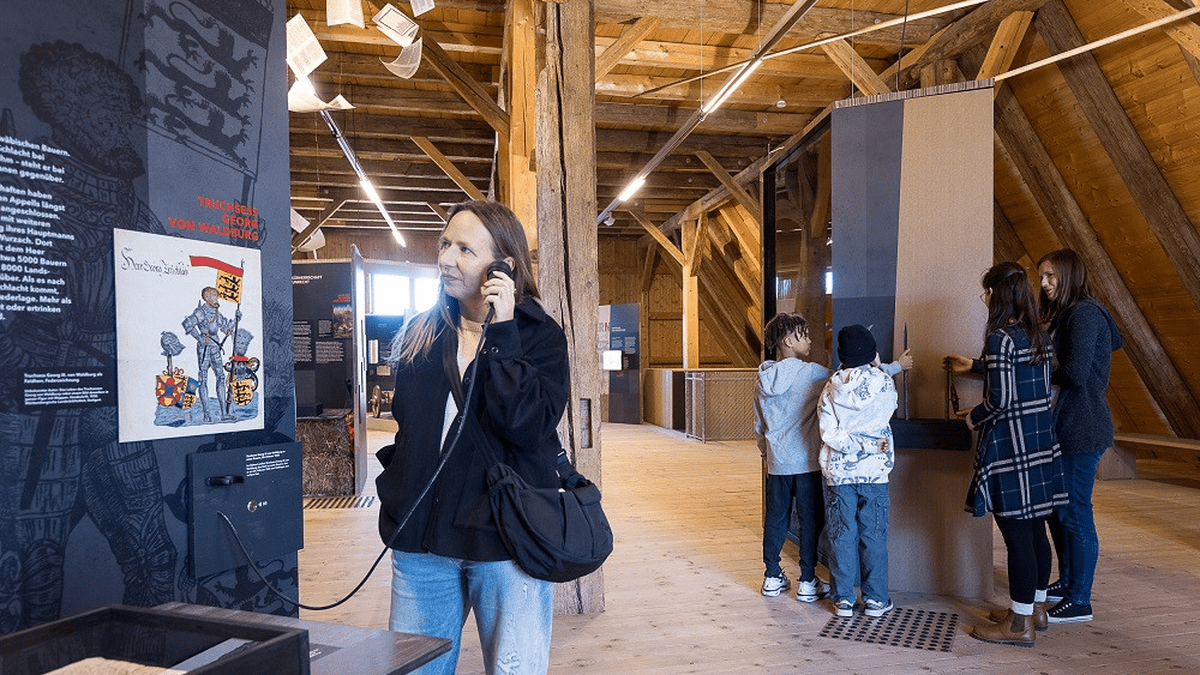
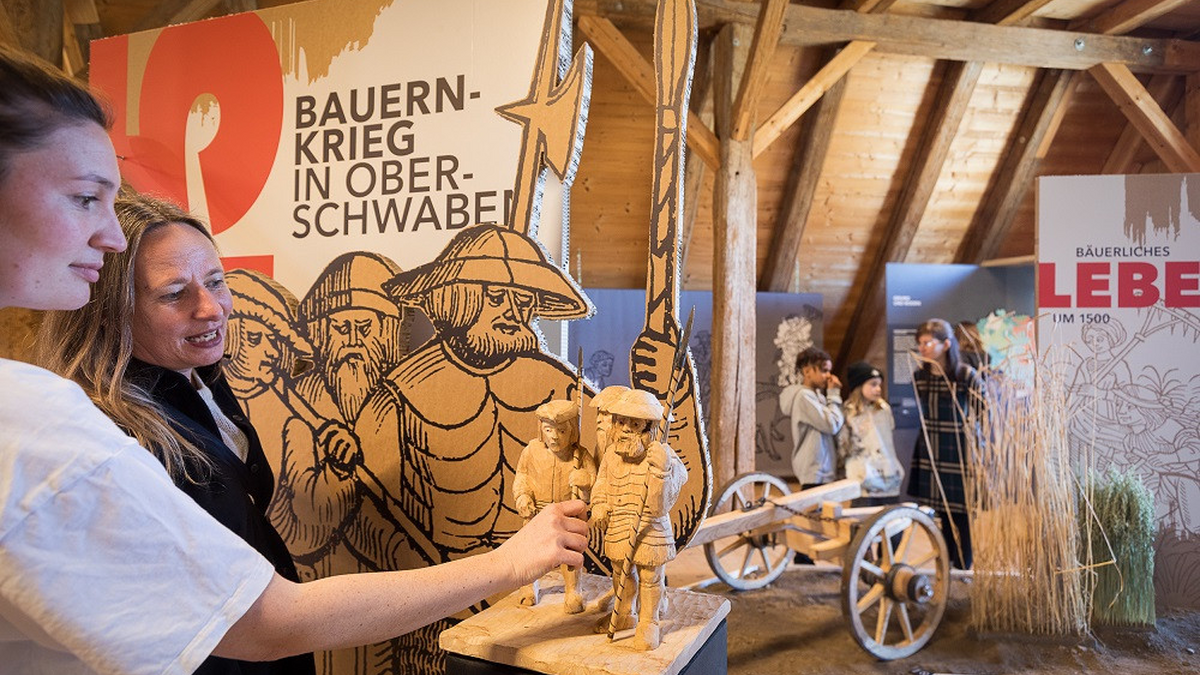
How did farmers manage the land 500 years ago? How was the village organized, what did the feudal system mean, and what conditions led to the so-called Peasants' War of 1525? What role did the Reformation and the nearby example of Switzerland play in this, where did military actions take place in our region, and what were the consequences of the "Weingarten Treaty"? The new special exhibition portrays the backgrounds, events, and consequences of the Peasants' War from the perspective of the peasant population, as well as focusing on places and individuals in Upper Swabia and the Allgäu. Audio recordings and narratives from farmers in the first person bring 500-year-old sources to life! March 22, 2025 – November 11, 2026 | Zehntscheuer Gessenried at the Allgäu-Upper Swabia Farmhouse Museum in Wolfegg Curated by: ANDREA SCHRECK / DR. TANJA KREUTZER GRAPHICS AND DESIGN: BRAUN & ENGELS
500 years ago, world history was made in Upper Swabia and the Allgäu! In 1525, the farmers rose up in a large, organized rebellion against their lords and articulated thoughts of freedom and equality for all people in the 12 Articles of Memmingen. Large peasant armies occupied monasteries and castles and eventually marched against the armies of the secular and spiritual lords. The history unfolded partly right at our doorstep, for example in Weißenau, Weingarten, Wurzach, Leutkirch, Wolfegg, and Kißlegg. To commemorate this event, the Farmhouse Museum will present the special exhibition "1525 – Peasants' War in Upper Swabia" starting March 22. How did farmers manage the land 500 years ago, and what conditions led to the so-called Peasants' War of 1525? What role did the Reformation and the nearby example of Switzerland play in this, where did military actions take place in our region, and what were the consequences of the "Weingarten Treaty"? The exhibition attempts to trace these questions through selected exhibits and numerous visual sources. It depicts the backgrounds, events, and consequences of the Peasants' War from the perspective of the peasant population, as well as focusing on places and individuals in Upper Swabia and the Allgäu. Gain insights into the 500-year-old world history that was written right at our doorstep! The exhibition venue is the historic Zehntscheuer of the Weißenau Monastery – a witness to the events depicted in the chronicle of Abbot Murer. Travel with us five hundred years into the past, explore the living conditions and motivations of the farmers, and confront universal questions about the causes of violence or the value of freedom! The time travel to the year 1525 and back accompanies us as the annual theme throughout the season. In this year's holiday program, in the adult course program, and during our experience days, you can gain exciting insights into 500-year-old knowledge and skills. The project for the Peasants' War commemorative year is co-financed by the EU as part of the Interreg Alpine Rhine-Lake Constance-High Rhine program COURAGE.