Deutsche Zentrale für Tourismus e.V.
Wessenbergsgtraße 43, 78462 Konstanz
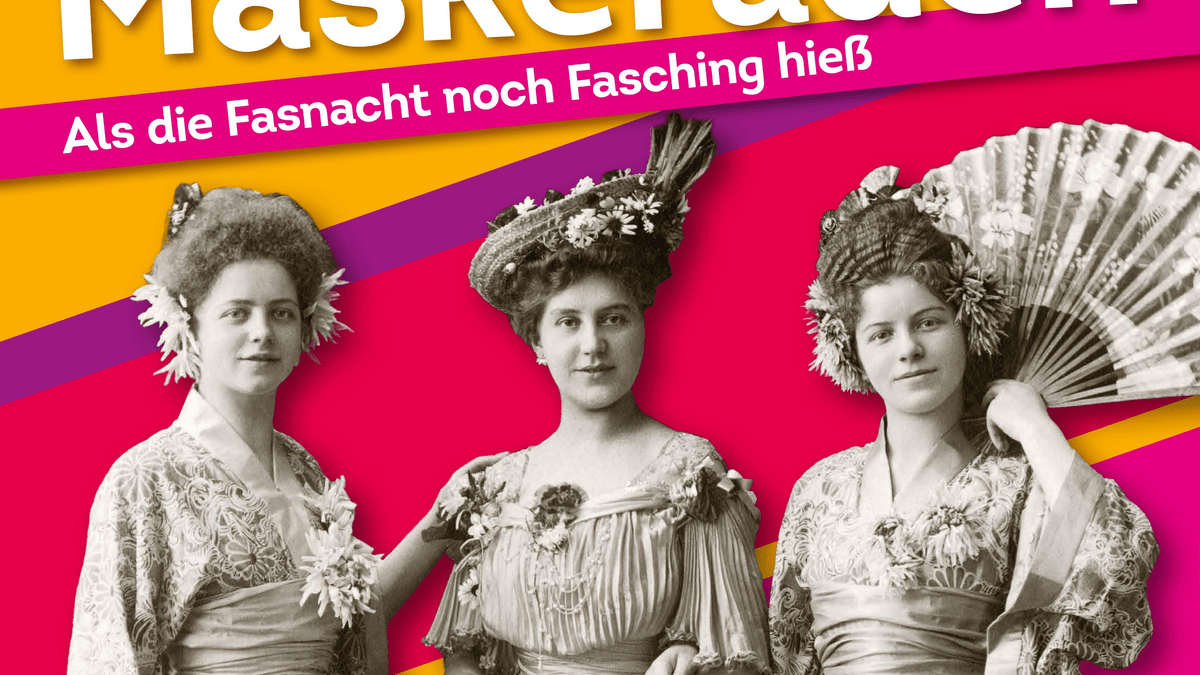
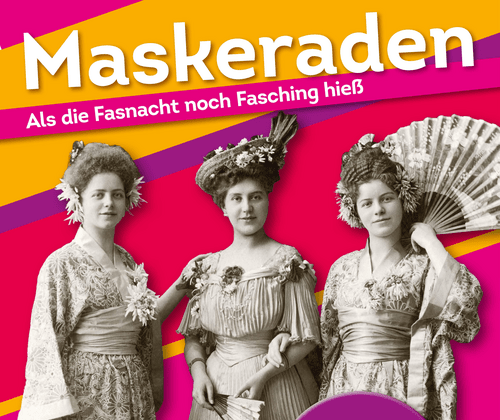
An exhibition on the history of carnival at Lake Constance from the 18th to the 20th century. Carnival, Fasnacht, or Karneval? Within the southwest German Fasnacht, the traditions in the tri-national region of Lake Constance have a strong independent character: The Fasnacht here is historically a colorful cocktail of Habsburg carnival, bourgeois-liberal hall carnival, and a hearty portion of carnival from the Rhineland. Until the revolution of 1848/49, the freedom-loving bourgeoisie delights in satirical fool's plays. Influenced by the resurgent Cologne carnival, "Prince Carnival" becomes the leading figure after 1860. In German and Swiss towns and villages around Lake Constance, magnificent parades are organized, and grand balls are celebrated. Women are allowed to participate, but only as adornments to male self-presentation. In the German Empire, the colonial-enthusiastic fools also strike racist tones for the first time. Today, the question is controversially discussed whether "Indians," "Chinese," and costumes from foreign cultures are still permissible at Fasnacht and Karneval. During the National Socialist era, German humorists prove to be surprisingly adaptable: Terror and persecution prevail, yet the foolery continues to produce good cheer undeterred. Meanwhile, Swiss fools sometimes bravely mock the brown rulers. Unsurprisingly, fool societies seamlessly connect to their traditions from before 1939 after the end of dictatorship, war, and the Holocaust. Since the 1950s, stage carnival has achieved sensational success: Stars like Karl Steuer and Helmut Faßnacht touch people's hearts and make the foolery at Lake Constance widely known through radio and television broadcasts. The large special exhibition, a companion book published by Thorbecke Verlag, and a specially produced documentary film tell a somewhat different story of Fasnacht with unknown images, rare relics, and film material: touching, exciting, and with a critical eye on some self-representation of organized foolery.