Deutsche Zentrale für Tourismus e.V.
Berliner Platz 1, 74072 Heilbronn
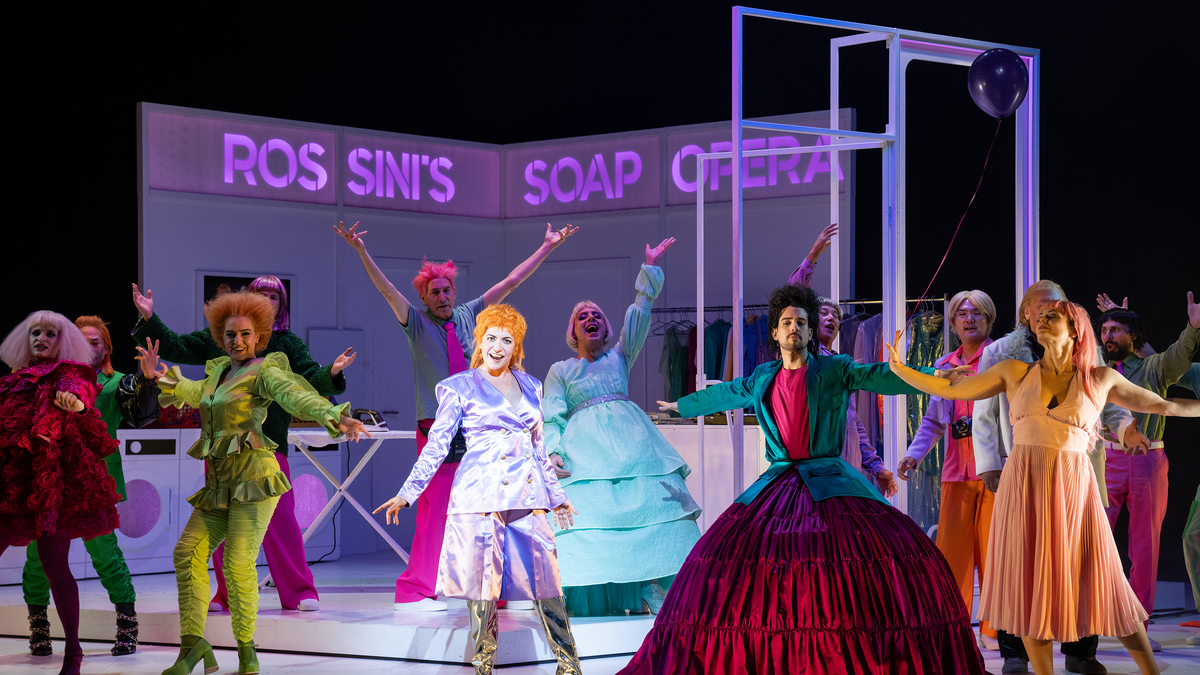
A myth: whether Cinderella, Cendrillon, Aschenputtel, or the Italian Cenerentola. Musical, fairy tale, ballet – or Italian opera. The story is familiar to every child and adult, whether they are fans of fairy tales or not, and thus the title character, the young girl disadvantaged by fate, is one of the most well-known figures in Europe. La Cenerentola | Aschenputtel or the Triumph of Kindness | Comic opera in two acts by Gioachino Rossini | Libretto by Jacopo Ferretti | In Italian with German surtitles Every day, Angelina longs for a better life. Derisively called Cenerentola by her two nasty sisters, she endures a bleak and exhausting life as a maid in the dilapidated house of her stepfather, Don Magnifico. While the sisters are being dressed up to be introduced to a wealthy man, Angelina is left to scrub the floors. Despite the hard work, humiliation, and injustice, she remains sincere and kind-hearted. Everything changes when Alidoro, the teacher and companion of Prince Ramiro, sets out to find a suitable wife for his master and encounters the poor Cenerentola... A myth: whether Cinderella, Cendrillon, Aschenputtel, or the Italian Cenerentola. Musical, fairy tale, ballet – or Italian opera. The story is familiar to every child and adult, whether they are fans of fairy tales or not, and thus the title character, the young girl disadvantaged by fate, is one of the most well-known figures in Europe. In his last opera, Gioachino Rossini succeeds in combining the high art of bel canto with the comedy of commedia dell'arte. With "La Cenerentola," he created a musical masterpiece in which the touching story of a young woman, whose good heart triumphs over malice, is embedded between sparkling coloraturas and bubbling parlando. The libretto by Jacopo Ferretti is based on the text by Charles-Guillaume Étienne for Nicolas Isouard's opera "Cendrillon" (1810), which in turn is based on the fairy tale of the same name by the writer and "fairy tale collector" Charles Perrault. This version only follows the essential outlines of the German fairy tale by the Brothers Grimm. The lost dance shoe and the pea sorting are not found in Rossini's work. However, the moral essence is the same in every variant: the victory of good and simplicity over greed, arrogance, and oppression. Due to its many cheerful elements, the opera premiered as the opening of the carnival season on January 25, 1817, at the Teatro Valle in Rome. The premiere audience initially reacted with mockery and scorn. But soon, the disinterest gave way to great enthusiasm. Even during Rossini's lifetime, his work became a worldwide success, followed by performances in English, German, Russian, Polish, French, and Czech. Alongside "Il Barbiere di Siviglia" ("The Barber of Seville"), "La Cenerentola, ossia La bontà in trionfo" ("Cinderella or The Triumph of Kindness") is now considered the most famous and frequently performed opera by Gioachino Rossini.