TOURDATA
Museumsplatz 5, 3500 Krems an der Donau
The artist Soli Kiani, originally from Iran, develops a work that uses fabric both as a form-shaping substance and as a carrier of social meanings. Themes such as origin, physicality, and the engagement with patriarchal structures are intertwined in her works with an independent, sculptural language. For the Dominican Church in Krems, she creates a spatial installation in which textile materials serve as a central artistic medium.
Stiff and Mobile
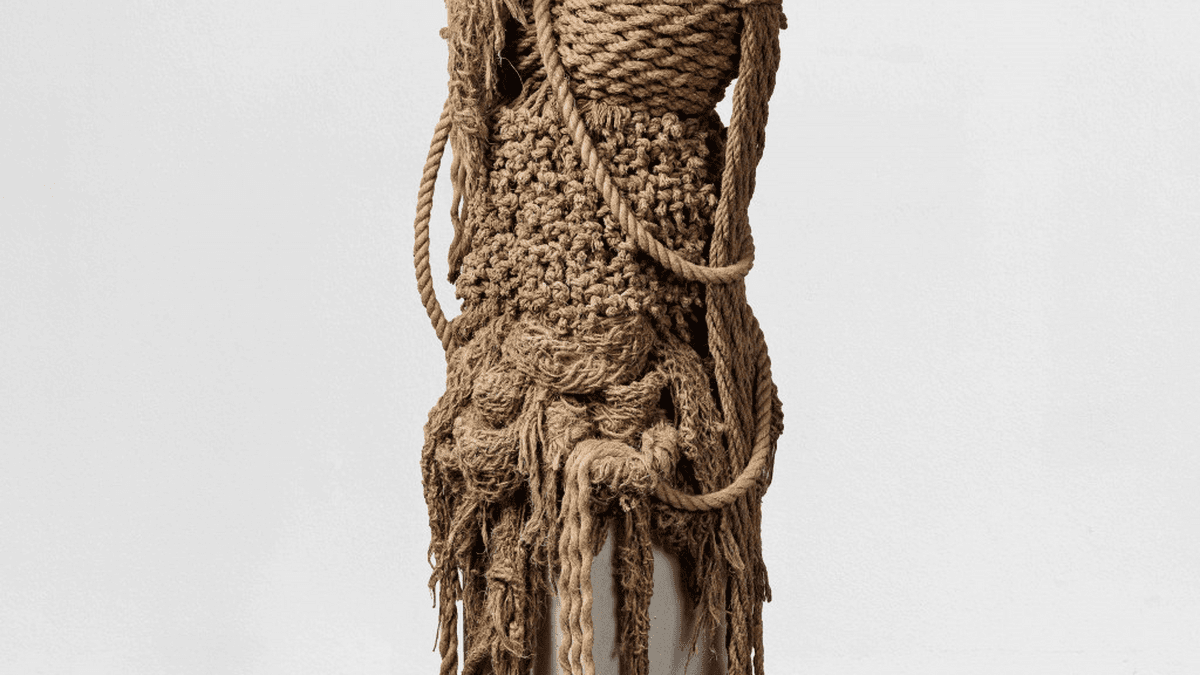
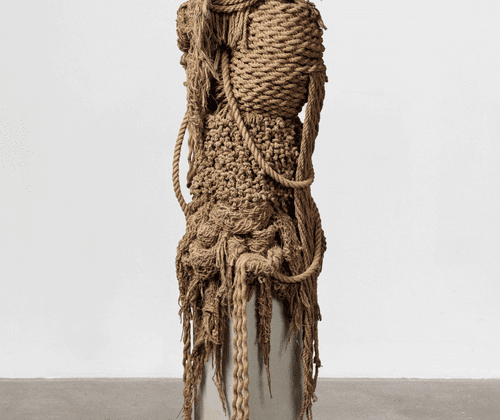
In the church space, vertical, column-like fabric sculptures unfold, made from hardened textile sheets and ropes, growing out of simple concrete bases. They appear both architectural and corporeal, emphasizing the height and clear lines of the nave. The abstracted forms evoke textile coverings. They reference the chador, a floor-length, dark traditional cloak from Iran, symbolizing both protection and restriction. The material—stiffened with acrylic and glue—retains traces of its original flexibility, creating a tension between rigidity and movement.
Drawing Counterpoint
The installation is complemented by photorealistic drawings on canvas that depict the human body with precise, almost sculptural clarity. These works provide a conscious counterpoint to the material aesthetics of the sculptures and open a dialogue about identity, self-determination, vulnerability, and presence. In their connection, sight lines emerge that actively incorporate the Gothic space and enhance its effect. Soli Kiani weaves personal experience, social reflection, and spatial staging in the Dominican Church in Krems.
Artistic Position
Soli Kiani was born in 1981 in Shiraz. She has been living in Vienna since 2000, where she graduated from the University of Applied Arts in 2012. In 2019, she received the Recognition Award of the STRABAG Artaward.