Deutsche Zentrale für Tourismus e.V.
Schloßstraße, 49186 Bad Iburg
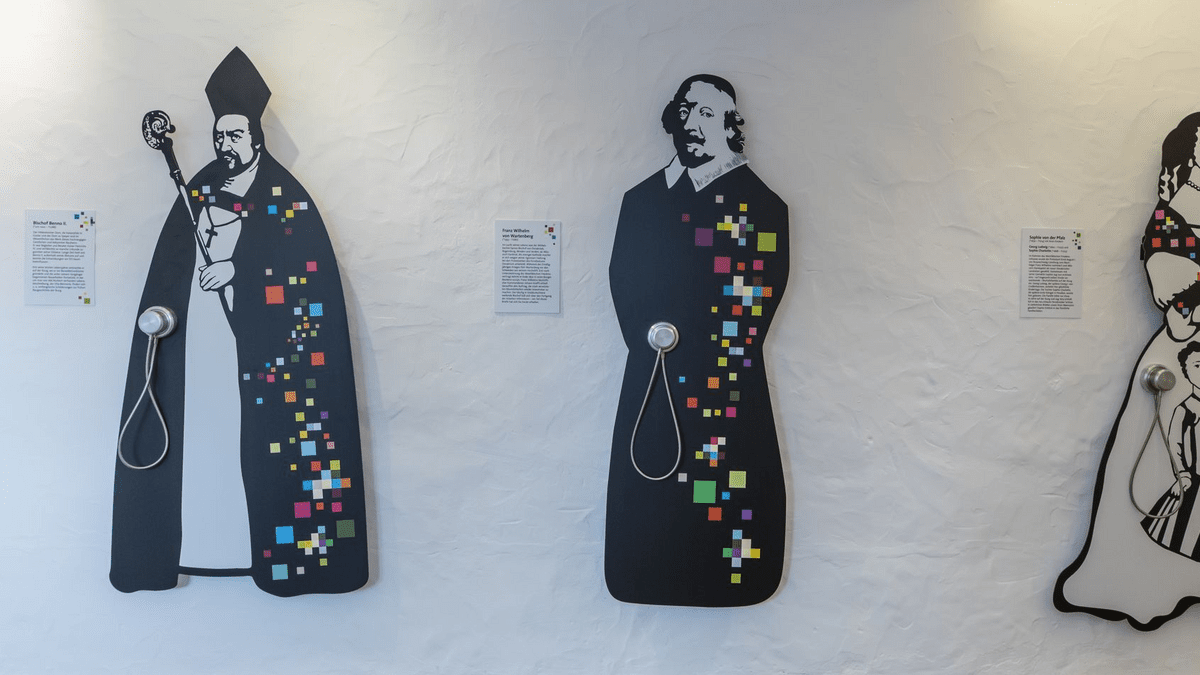
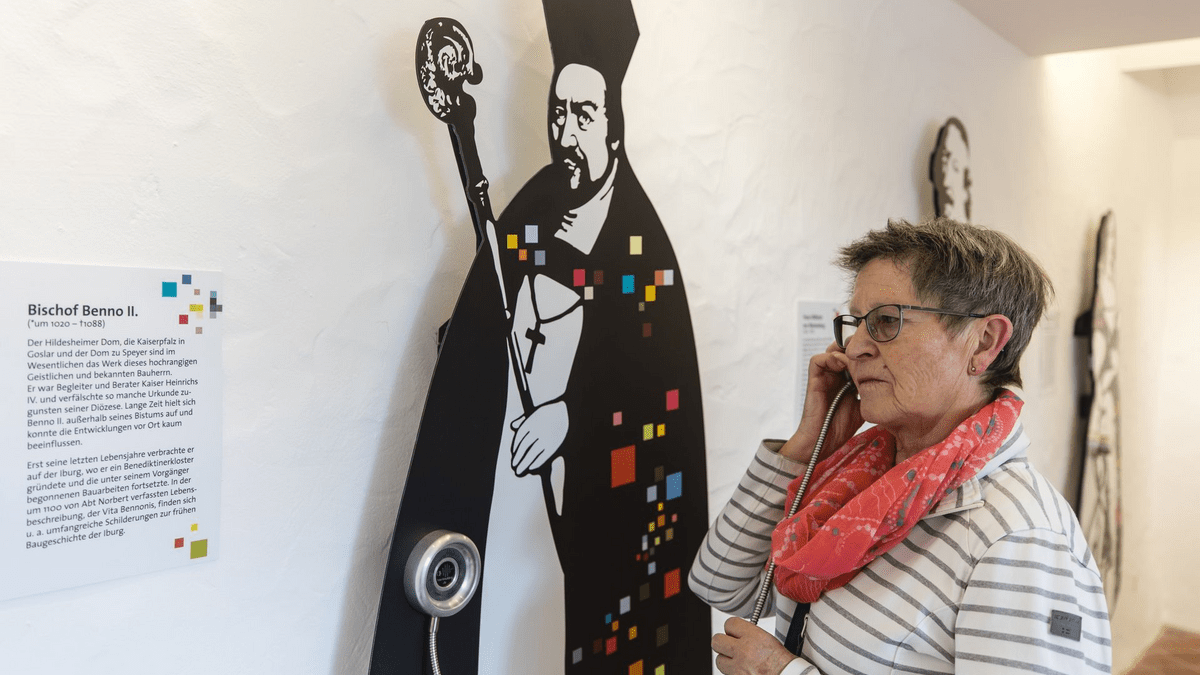
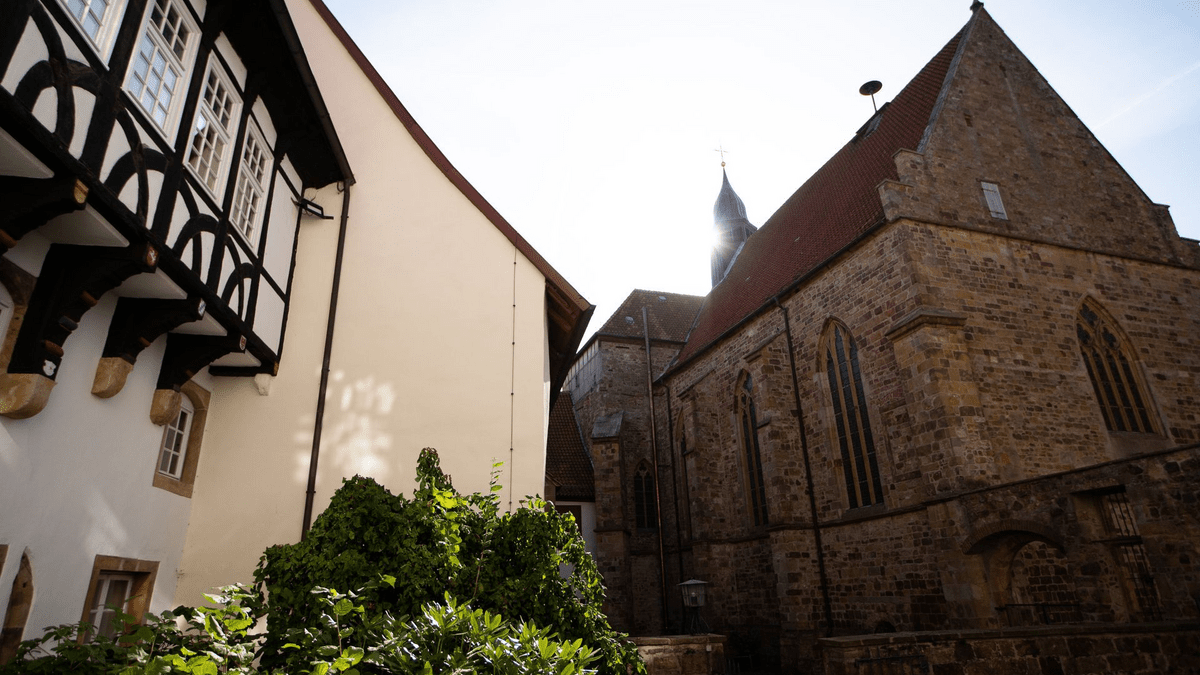
Opening hours: Friday to Sunday 2:00 PM - 5:00 PM Admission: €4.00 adults / €3.50 reduced Combination ticket for castle tour + castle museum: €7.50 adults / €6.50 reduced Archaeology at the Iburg In 2002, the castle museum was opened in its modern design under the sponsorship of the castle association (Schlossverein Iburg e.V., Chairman Dr. Josef Rottmann). Since the redesign in 2018, the exhibition "Fortification, Bishop's Residence, Monastery – Archaeological Research on the 1200-Year-Old Iburg" features a media table and audio stations. Finds uncovered during excavations over the past 20 years testify to the history of the unusual dual complex of castle and monastery. The completely preserved castle complex has repeatedly been the focus of research by the city and district archaeology of Osnabrück in recent decades. Like few other buildings in the Osnabrück region, it is directly connected to the establishment and development of the secular and spiritual rule of the Osnabrück bishops, who resided here from the 11th to the 17th century. At the same time, the castle was the site of a Benedictine monastery until its secularization in 1803. In the Catholic monastery church, more than 50 burials were uncovered, including five tombs of abbots who were buried here with their abbot's staff and vestments. Investigations on the western side of the ridge and in the abbey garden confirmed the beginnings of the present-day Iburg in the 11th century. In the area of the former episcopal residence, the remains of two residential towers from the 11th and 12th centuries were excavated. During repair work on the southern ring wall, the former courtyard and building drainage was discovered. In the art-historically significant knight's hall, various layers of fill and floor structures were reconstructed as part of restoration measures. Plans, photos, and historical views provide an idea of the unusual castle and monastery complex. Selected exhibits such as medieval writing styluses, abbot's staffs, bone carving waste, the nut of a high medieval crossbow, a Thebal ring, floor tiles, ceramics, and others bear witness to the everyday life of past centuries. The centerpiece of the exhibition is a model of the Iburg, which reconstructs its state around 1600. Also of interest, not only for numismatists, is the attached small coin cabinet, where the permanent exhibition "Coins and Medals from 800 Years of Coin History of the Osnabrück Region" is displayed.